Annual Wash & Rinse: The Simple Habit That Extends Lifespan
Images: before & after
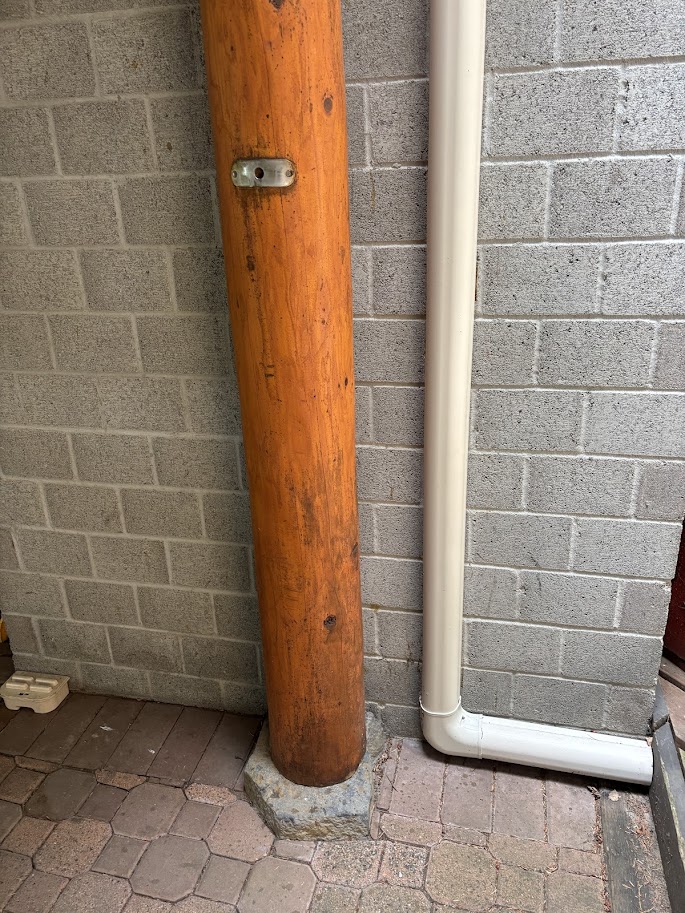
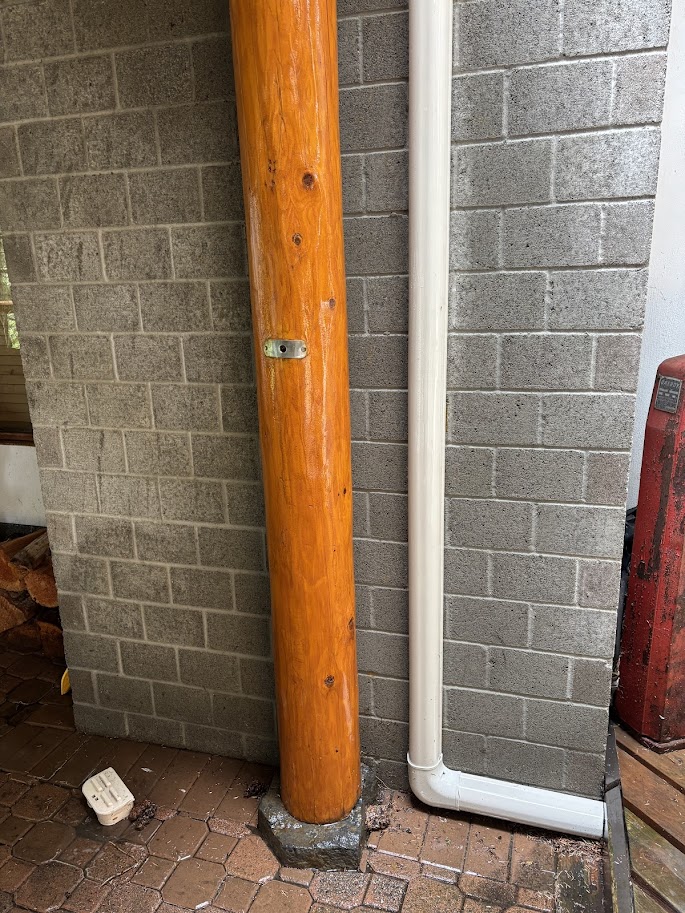
A yearly wash is one of the highest‑impact, lowest‑cost maintenance steps for log homes in coastal and mountain settings. Over the course of a year, pollen, airborne particulates and moisture feed mildew, algae and staining that compromise both appearance and finish adhesion. If left in place the biological growth holds moisture on the surface and undermines subsequent coats of stain or sealer.
Our recommendation is a gentle but effective wash cycle: a diluted household bleach or sodium percarbonate cleaner (selected based on material compatibility), applied with a soft bristle scrub to lift surface growth, then thoroughly rinsed with low‑pressure water. We avoid high‑pressure washers on old or brittle logs because they can force water into checks and strip healthy wood fibers. After drying, the surface is inspected for failing coating, checks and small areas needing repair — that inspection is what lets you plan staining or touch‑ups on your schedule rather than react to accelerated damage.
For property owners across Whistler, the Pemberton valley and the Sea to Sky Corridor, an annual wash reduces the need for early sanding or aggressive restorative work. It keeps stains looking even, helps outdoor timber age more gracefully, and gives us the chance to spot issues while they’re small. We take a modest approach: educate the owner, show what needs attention, and recommend a practical timeline for restoration work if it’s needed.
A quick yearly wash and inspection prevents small problems from becoming expensive repairs — and that’s the kind of sensible stewardship every log home deserves.